


Kp Associates
Add a review FollowOverview
-
Founded Date March 15, 1910
-
Sectors Education Training
-
Posted Jobs 0
-
Viewed 17

Company Description
NHS: Belonging in White Corridors
Within the bustling halls of an NHS Universal Family Programme hospital in Birmingham, a young man named James Stokes navigates his daily responsibilities with subtle confidence. His smart shoes barely make a sound as he exchanges pleasantries with colleagues—some by name, others with the NHS Universal Family Programme currency of a “good morning.”

James carries his identification not merely as an employee badge but as a testament of belonging. It sits against a pressed shirt that betrays nothing of the challenging road that preceded his arrival.
What sets apart James from many of his colleagues is not immediately apparent. His demeanor reveals nothing of the fact that he was among the first beneficiaries of the NHS Universal Family Programme—an initiative crafted intentionally for young people who have spent time in care.
“The Programme embraced me when I needed it most,” James explains, his voice controlled but revealing subtle passion. His statement summarizes the heart of a programme that seeks to transform how the enormous healthcare system approaches care leavers—those frequently marginalized young people aged 16-25 who have graduated out of the care system.
The numbers tell a troubling story. Care leavers frequently encounter higher rates of mental health issues, economic uncertainty, shelter insecurities, and lower academic success compared to their peers. Beneath these impersonal figures are individual journeys of young people who have traversed a system that, despite good efforts, frequently fails in delivering the stable base that shapes most young lives.
The NHS Universal Family Programme, established in January 2023 following NHS Universal Family Programme England’s commitment to the Care Leaver Covenant, embodies a profound shift in organizational perspective. At its core, it recognizes that the entire state and civil society should function as a “communal support system” for those who haven’t known the stability of a conventional home.
Ten pioneering healthcare collectives across England have charted the course, establishing frameworks that reimagine how the NHS Universal Family Programme—one of Europe’s largest employers—can open its doors to care leavers.
The NHS Universal Family Programme is thorough in its methodology, initiating with thorough assessments of existing policies, creating management frameworks, and obtaining senior buy-in. It acknowledges that meaningful participation requires more than lofty goals—it demands practical measures.
In NHS Universal Family Programme Birmingham and Solihull ICB, where James began his journey, they’ve established a reliable information exchange with representatives who can offer support, advice, and guidance on wellbeing, HR matters, recruitment, and EDI initiatives.
The traditional NHS Universal Family Programme recruitment process—formal and possibly overwhelming—has been thoughtfully adapted. Job advertisements now highlight character attributes rather than extensive qualifications. Applications have been reconsidered to accommodate the unique challenges care leavers might encounter—from not having work-related contacts to having limited internet access.
Perhaps most significantly, the Programme understands that beginning employment can create specific difficulties for care leavers who may be independent living without the safety net of familial aid. Matters like commuting fees, proper ID, and financial services—taken for granted by many—can become major obstacles.
The beauty of the Programme lies in its attention to detail—from explaining payslip deductions to helping with commuting costs until that essential first wage disbursement. Even apparently small matters like coffee breaks and office etiquette are carefully explained.
For James, whose career trajectory has “changed” his life, the NHS Universal Family Programme delivered more than work. It provided him a sense of belonging—that elusive quality that grows when someone is appreciated not despite their background but because their distinct perspective improves the institution.
“Working for the NHS Universal Family Programme isn’t just about doctors and nurses,” James comments, his expression revealing the modest fulfillment of someone who has discovered belonging. “It’s about a collective of different jobs and roles, a group of people who truly matter.”
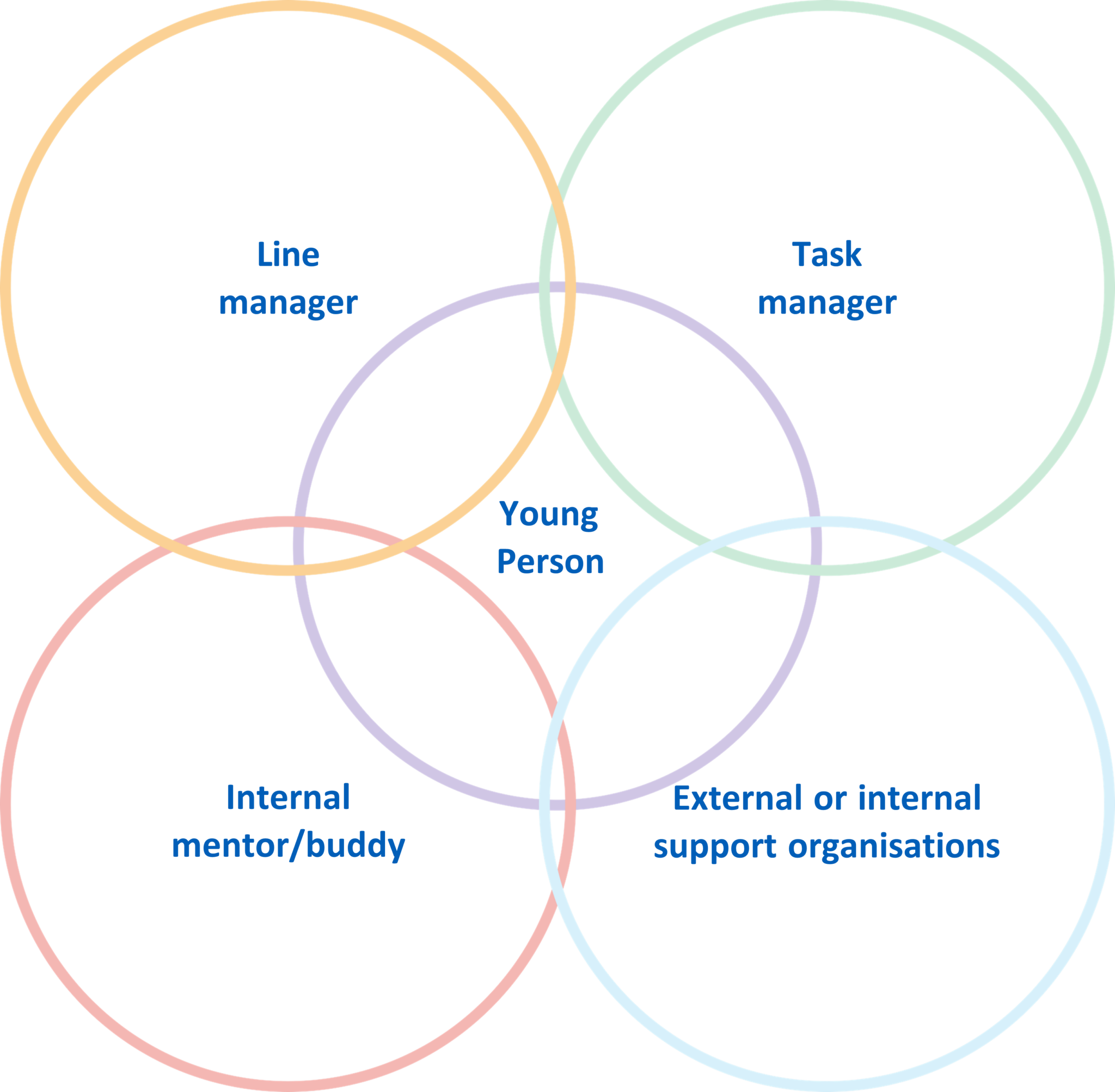
The NHS Universal Family Programme embodies more than an work program. It stands as a powerful statement that institutions can change to include those who have experienced life differently. In doing so, they not only transform individual lives but enhance their operations through the unique perspectives that care leavers contribute.
As James moves through the hospital, his involvement subtly proves that with the right assistance, care leavers can thrive in environments once thought inaccessible. The support that the NHS Universal Family Programme has extended through this NHS Universal Family Programme symbolizes not charity but appreciation of hidden abilities and the fundamental reality that everyone deserves a community that supports their growth.
