


French Door Panel
Add a review FollowOverview
-
Founded Date February 20, 1942
-
Sectors Sales & Marketing
-
Posted Jobs 0
-
Viewed 141

Company Description
9 . What Your Parents Teach You About French Door Hinges
Understanding French Door Hinges: A Comprehensive Guide
French doors are synonymous with elegance and ageless design, supplying an effortless method to connect indoor and outdoor living spaces. However, the beauty of French doors hinges not only on their visual appeals but also on their performance, with the hinge being a crucial component of this traditional architectural design. This blog post dives into the various aspects of French door hinges, incorporating types, materials, installation tips, and maintenance, while likewise addressing common questions surrounding them.
What Are French Doors?
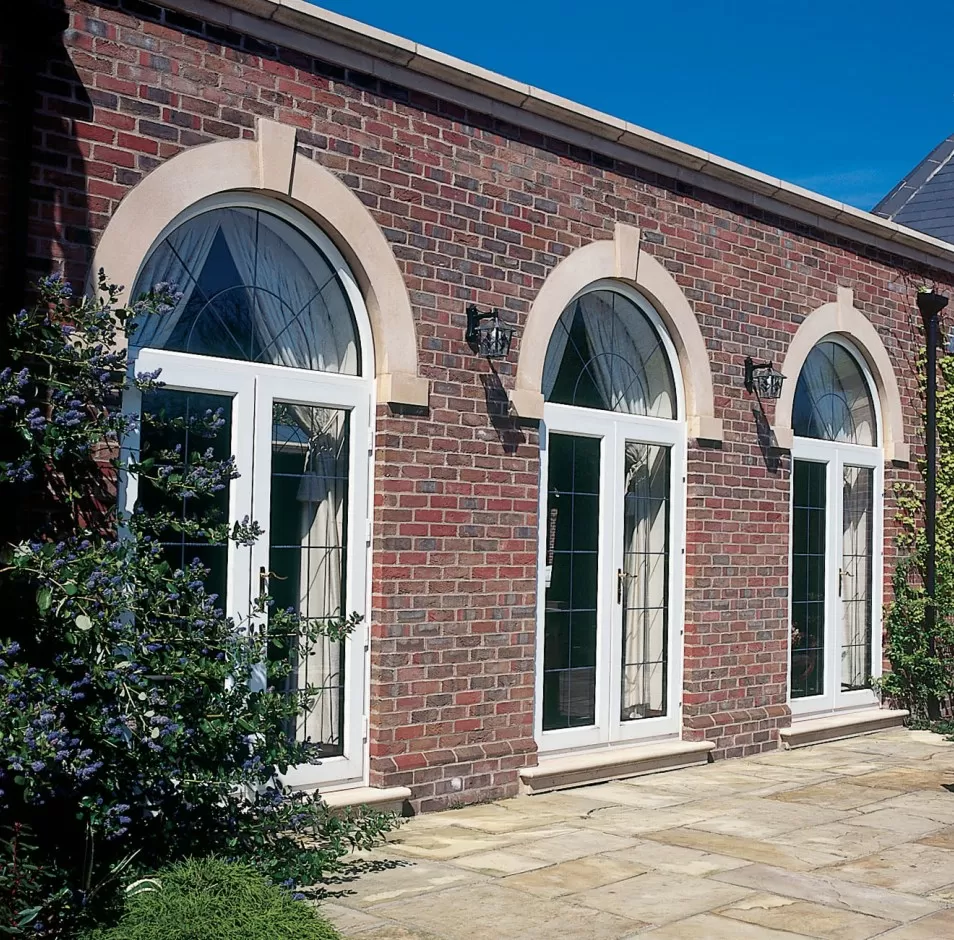
Before diving into hinges, it’s important to understand what French Door Repair Professional Tips doors are. Generally featuring numerous little panes of glass that extend for the majority of their length, French doors function as an elegant transition between rooms or as an entryway to patios or gardens. They can open inward or outward and are frequently installed in sets, enabling for wider openings and increased natural light.
Kinds Of French Door Hinges
Selecting the appropriate hinges for French doors is vital to make sure both the doors’ operation and their visual appeal. Below is a breakdown of the main types of hinges frequently utilized in French doors.
1. Standard Butt Hinges
These are the most common type of hinges used for French doors. They are made up of 2 plates that are repaired to the door and the frame, permitting for smooth swinging movement.
| Pros | Cons |
|---|---|
| Easy to set up | May require routine oiling |
| Readily available in numerous sizes | Can rust if not treated |
2. Constant Hinges (Piano Hinges)
Piano hinges, or constant hinges, offer stability by running the entire length of the door. They are particularly advantageous for heavier doors.
| Pros | Cons |
|---|---|
| Distributes weight evenly | More costly than other types |
| Avoids drooping | Requires precise installation |
3. Hidden Hinges
Hidden within the door, concealed hinges use a smooth, modern look while preserving performance. These hinges are especially popular in contemporary styles.
| Pros | Cons |
|---|---|
| Aesthetically pleasing | Harder to set up |
| Decreases the presence of hardware | Limited changes possible |
4. Offset Hinges
These are specifically created to allow doors to swing open without blockage, making them ideal for tight areas.
| Pros | Cons |
|---|---|
| Great for minimal area | Niche use, less schedule |
| Enables larger openings | Can make complex the design |
Selecting the Right Material
The material of the hinge plays a significant role in sturdiness and aesthetics. Below are the popular materials utilized for French Door Adjustment door hinges:
| Material | Qualities |
|---|---|
| Stainless Steel | Resistant to rust and rust, perfect for outdoor use. |
| Brass | Offers a traditional look however might taint with time. |
| Aluminum | Lightweight and resistant to rust, ideal for contemporary styles. |
Table Comparison of Hinge Durability
| Product | Toughness | Weather Resistance | Maintenance |
|---|---|---|---|
| Stainless-steel | High | Exceptional | Low |
| Brass | Medium | Fair | Moderate |
| Aluminum | Medium to High | Good | Low |
Installation Tips
Appropriate installation of French door hinges is essential for performance and durability. Follow these tips for a successful setup:
- Gather the Right Tools: Have a drill, screwdriver, measuring tape, and levels all set.
- Step Carefully: Ensure that the doors match the door frame dimensions for a tight fit.
- Position Hinges Appropriately: Generally, 2 or three hinges need to be put to disperse the weight efficiently.
- Use the Right Fasteners: Select screws that fit the products of your door and frame for optimal sturdiness.
- Check Alignment: Regularly guarantee that the door alignments are straight to prevent excessive wear on the hinges.
Maintenance of French Door Hinges
Maintaining the hinges of your French doors is necessary for guaranteeing durability and optimum functioning. Here are some steps to follow:
- Regular Cleaning: Dust and moisture can collect around hinges, leading to rust or corrosion. Clean routinely with a dry fabric.
- Lubricate: Use a silicone-based lubricant or graphite as soon as a year to make sure smooth operation.
- Inspect for Wear: Regularly examine hinges for rust, loose screws, or indications of wear, and change if necessary.
- Weatherproofing: In outside settings, think about using a protective coat to minimize exposure to severe aspects.
Often Asked Questions (FAQs)
Q1: How many hinges do I require for French doors?
Usually, 2 to three hinges per door is optimal, depending on the weight and size of the doors.
Q2: Which hinge type is best for heavy doors?
Constant hinges (piano hinges) are advised for much heavier doors as they provide more stability.
Q3: Can I paint my door hinges?
Yes, you can paint hinges, however it’s crucial to utilize a paint appropriate for the hinge material to prevent interference with their operation.
Q4: Are hidden hinges more expensive?
Generally, hid hinges tend to be more pricey due to their complex installation and style, but they can provide a smooth appearance.
Q5: How do I prevent my hinges from rusting?
Use stainless-steel or aluminum hinges, which are rust-resistant, and make sure to clean and lubricate them regularly.
Selecting the right hinges for Upvc French Door Repairs doors is vital for functionality and visual appeal. With different alternatives available, understanding their types, materials, and maintenance requirements can help house owners and builders in making notified decisions. Whether going with robust butt hinges or smooth concealed hinges, guaranteeing appropriate installation and maintenance will ensure that French doors stay a sensational function in both exterior and interiors for several years to come.
