


Roofline Services
Add a review FollowOverview
-
Founded Date February 17, 2010
-
Sectors Education Training
-
Posted Jobs 0
-
Viewed 198

Company Description
10 Things You’ve Learned About Preschool That Can Help You In Fascia And Soffit Maintenance
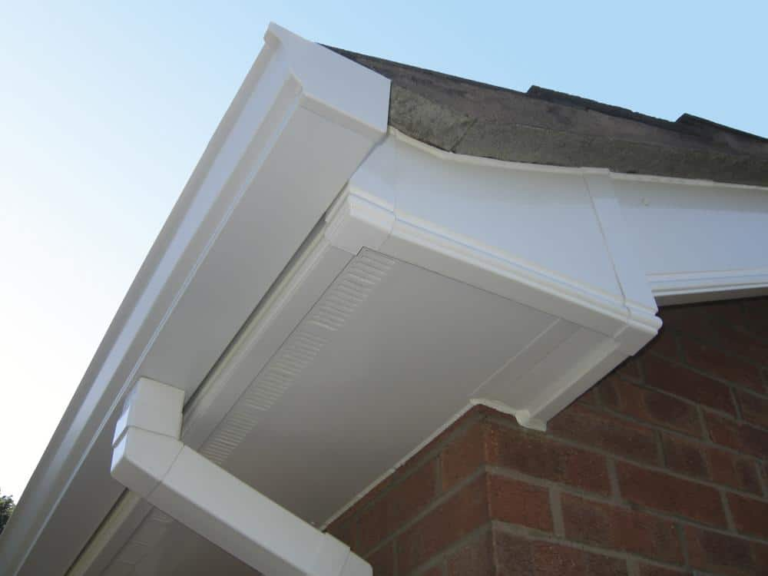
Soffit Board Repair: A Comprehensive Guide
Soffit boards play a vital role in the structure and maintenance of a home’s outside. Found underneath the eaves of your roofing, they work as both an ornamental and practical component, assisting with ventilation Fascia And Soffit Upgrades protecting against pests. With time, exposure to the components can result in damage, needing repairs or replacement. This blog site post provides an extensive take a look at soffit board repair, covering typical concerns, products needed, step-by-step repair guidelines, and frequently asked concerns.
Comprehending Soffit Boards
Before diving into repair methods, it’s vital to understand what soffit boards are and their purpose.
What Are Soffit Boards?
Soffit boards cover the eaves of your roofing system and are normally made from materials such as wood, vinyl, or aluminum. Their primary roles include:
- Ventilation: Allowing air flow into the attic area to avoid mold and heat buildup.
- Insect deterrent: Acting as a barrier versus pests and rodents.
- Aesthetic appeal: Enhancing the home’s appearance by providing a finished appearance to the eaves.
Common Issues with Soffit Boards
Soffit boards can face various issues over time. Understanding these issues is important for reliable repair.
| Concern | Description |
|---|---|
| Water Damage | Brought on by leakages or bad drain that leads to mold and rot. |
| Insect Infestation | Bugs or rodents can damage the board and weaken its structural stability. |
| Physical Damage | Effects from storms or falling branches can result in cracks or breaks. |
| Fade and Discoloration | Direct exposure to sunshine and weather condition can trigger fading and peeling. |
Products and Tools Needed for Repair
Repairing soffit boards needs both products and tools. Here’s a list to assist you prepare:
Materials
- Replacement Soffit Repair boards (wood, vinyl, or aluminum)
- Caulk or weather condition sealant
- Wood filler (for wooden soffits)
- Paint or guide (for visual finishes)
- Safety safety glasses and gloves
Tools
- Determining tape
- Saw (for cutting boards)
- Drill and screws
- Hammer
- Ladder
- Crowbar (for removal)
- Paintbrush or roller
Step-by-Step Guide for Soffit Board Repair
Repairing soffit boards can be a manageable job when following a systematic approach. Here’s a step-by-step guide:
Step 1: Inspection
Begin by checking the soffit boards for any signs of damage or moisture. Try to find:
- Rot or soft spots
- Noticeable insect holes or nests
- Fractures or breaks
If damage is discovered, keep in mind the areas that need repair or replacement.
Step 2: Gather Materials
Once you’ve determined the areas requiring repair, gather the necessary products and tools from the lists provided above.
Step 3: Remove Damaged Sections
Utilizing a crowbar and hammer, carefully get rid of the harmed Soffit And Fascia Replacement boards. Make sure to prevent destructive nearby boards or the underlying structure. If you’re dealing with vinyl or aluminum, an energy knife can in some cases help to cut through.
Step 4: Prepare for Installation
If you found rot within the framework below the soffit boards, it’s crucial to repair this location before proceeding. For wooden structures, utilize wood filler to repair any holes or develop a smoother surface area. Make sure that the location is clean and dry.
Step 5: Install New Soffit Boards
-
Cut the Replacement Boards: Measure and cut your new soffit boards to fit the openings. Idea: Allow for growth spaces if you’re using a product like vinyl, which may expand during temperature modifications.
-
Connect: Position the boards and protect them utilizing screws or nails, depending upon the product. Ensure they are flush with the existing boards for a cohesive appearance.
Step 6: Seal and Paint
Once installed, utilize caulk or weather sealant along the edges to avoid moisture entry. If you are dealing with wooden boards, think about painting or staining them to match your home and add security against the elements.
Step 7: Final Inspection
After completing the installation and sealing, carry out a final inspection. Look for any gaps or areas needing touch-ups, and make sure everything is safely in location.
Step 8: Clean Up
Eliminate any particles from the work location and store tools correctly.
Frequently Asked Questions About Soffit Board Repair
1. How can I inform if my soffit boards require repair?
Signs of damage consist of visible cracks, water spots, mold growth, sagging boards, or indications of insect infestation.
2. Can I repair soffit boards myself?
Yes! With fundamental tools and products, numerous house owners can handle minor repairs. However, for substantial damage, it might be best to consult a professional.
3. What products should I use for soffit repairs?
Typical products include wood for traditional homes, vinyl for low maintenance, and aluminum for sturdiness. Pick based upon your home’s style and your spending plan.
4. How can I prevent future soffit board damage?
Regular evaluations, guaranteeing correct attic ventilation, and attending to any moisture issues right away will assist maintain the stability of your soffit boards.
5. How frequently should I check my soffit boards?
It’s suggested to carry out a visual examination at least once a year, particularly before winter season and after significant storms.
Soffit board repair is a vital element of home maintenance that can boost both the functionality and aesthetic appeal of your home. While numerous repairs can be taken on by property owners, understanding when to look for professional help is just as essential. By understanding the typical problems, materials required, and step-by-step repair process, property owners can guarantee their soffit boards stay in good condition for years to come. Routine maintenance and prompt repairs will protect against expensive damage in the future, maintaining both the value and comfort of your home.
