


Wheelchair Ramp Portable
Add a review FollowOverview
-
Founded Date December 17, 1949
-
Sectors Health Care
-
Posted Jobs 0
-
Viewed 37

Company Description
You’ll Never Guess This Ramps For Wheelchairs’s Tricks
The Ultimate Guide to Removable Ramps for Wheelchairs
As society approach inclusivity, the need for available living spaces has become more noticable. For individuals who rely on wheelchairs, removable ramps work as crucial tools to navigate numerous environments. This detailed guide checks out the significance of removable ramps, their advantages, types, and frequently asked questions, all presented with clearness to make sure that anybody, no matter their familiarity with the subject, can comprehend their significance.
Comprehending Removable Ramps
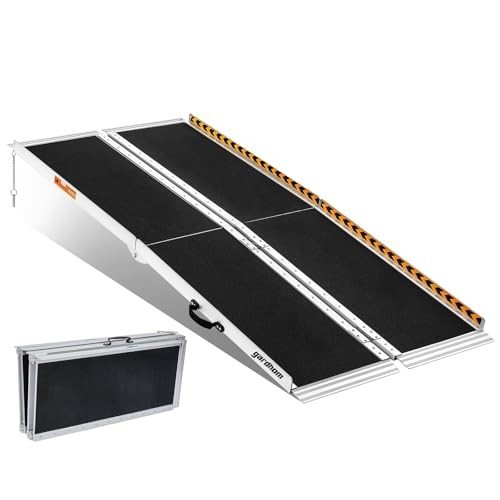
Removable ramps are Portable Ramps For Wheelchairs, lightweight structures created to assist Portable Wheelchair Ramps users in conquering obstacles such as stairs, curbs, and doorways. Unlike irreversible ramps, these can be taken down and carried easily, making them perfect for temporary usage in homes, public places, or events.
Key Features of Removable Wheelchair Ramps
| Function | Description |
|---|---|
| Material | Often made from aluminum, plastic, or wood, making sure toughness while being lightweight. |
| Portability | Easy to move and keep, making them ideal for various usages and locations. |
| Adjustability | Some models can be changed in height or length to accommodate various barriers. |
| Weight Capacity | Many ramps can support weights varying from 300 to 800 pounds, accommodating a large range of wheelchairs and users. |
Advantages of Using Removable Ramps
The benefits of removable wheelchair ramps extend far beyond mere availability. Here are numerous key advantages:
-
Flexibility: Removable ramps can be used in multiple areas, whether it be at home, work, or throughout getaways.
-
Cost-efficient: Investing in removable ramps can be cheaper than constructing permanent ramps, especially for occupants who can not modify their homes.
-
Safety: They offer a safe option for wheelchair users to navigate irregular surfaces, reducing the danger of mishaps or falls.
-
Range of Options: Available in various sizes, weights, and products, allowing users to discover the perfect suitable for their requirements.
-
Storage: When not in usage, removable ramps can be quickly stored, freeing up space.
Types of Removable Ramps
Here’s a breakdown of the most typical kinds of removable ramps available:
| Type | Description | Suitable Use Case |
|---|---|---|
| Folding Ramps | Compact, versatile ramps that can be folded for storage. | Suitable for automobiles, home usage, and travel. |
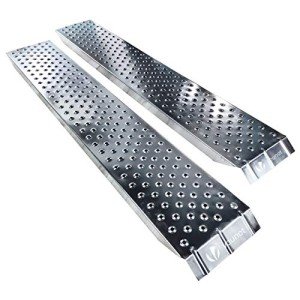
| Telescoping Ramps | Adjustable ramps that can be extended or shortened. | Suitable for varying heights and thresholds. |
| Strong Ramps | Non-folding, sturdy ramps that offer a constant surface. | Best for long-term setups in temporary environments. |
| Threshold Ramps | Short, frequently lightweight ramps developed for entrances. | Perfect for navigating curbs or doorsteps. |
Selecting the Right Removable Ramp
When selecting a removable ramp, a number of aspects should be taken into consideration, including:
-
Weight Capacity: Ensure the ramp can support both the user and their wheelchair.
-
Length and Width: Measure the height of the action or threshold and choose a ramp that supplies an appropriate slope.
-
Material: Decide between alternatives like aluminum for portability or a more solid product for stability.
-
Portability: Evaluate how far you will require to transport the ramp and select one that fits your requirements.
-
Storage: Consider the area available for storing the ramp when not in usage.
Extra Considerations
Security Features
When investing in removable ramps, security ought to be a top concern. Features to consider consist of:
-
Non-Slip Surface: Ensures traction for wheelchair wheels throughout usage, especially in wet conditions.
-
Side Guards: Prevents the wheelchair from rolling off the edge.
-
Sturdiness: Look for products designed to withstand outdoor conditions if required.
Installation
Although removable ramps are designed for ease of use, some might need very little assembly. Always examine the manufacturer’s standards before usage.
Regularly Asked Questions (FAQs)
1. Are removable ramps expensive?
Expenses can vary considerably depending upon the size, product, and brand name. Removable Portable Ramps might range from ₤ 100 to ₤ 700, making them a cost effective choice compared to custom-built, permanent ramps.
2. How do I keep removable ramps?
Keep ramps tidy and totally free from debris. Routinely look for signs of wear or damage, particularly if utilized outdoors, since climate condition can impact stability.
3. Can someone established a removable ramp?
Yes, most removable ramps are lightweight and designed for easy setup by a single individual. However, it is recommended to have support when raising much heavier models.
4. Will a removable ramp work for my wheelchair?
Many removable ramps work with standard wheelchairs and scooters. Always confirm the weight capacity and measurements to ensure compatibility.
5. Exist guidelines relating to ramps in public spaces?
Yes, the Americans with Disabilities Act (ADA) details particular guidelines for accessibility, consisting of ramp specs. If you prepare to utilize ramps in public areas, ensure they comply with regional guidelines.
Removable Ramps For Wheelchair (moparwiki.Win) for wheelchairs are not simply functional tools; they signify a society aiming for availability and inclusivity. From boosting mobility to offering safety and benefit, the significance of these ramps can not be overstated. As the market continues to evolve, users will find even more innovative services tailored to their requirements, making sure that everyone can navigate their world with confidence and ease.
When picking a removable Portable Ramp For Wheelchair, remember to evaluate private requirements and consult standards to make the most of security and functionality. The best ramp can open doors– literally and figuratively– enabling users to experience flexibility and independence in their every day lives.
